


TANK CLEANING LANCES

Request a quote
Image
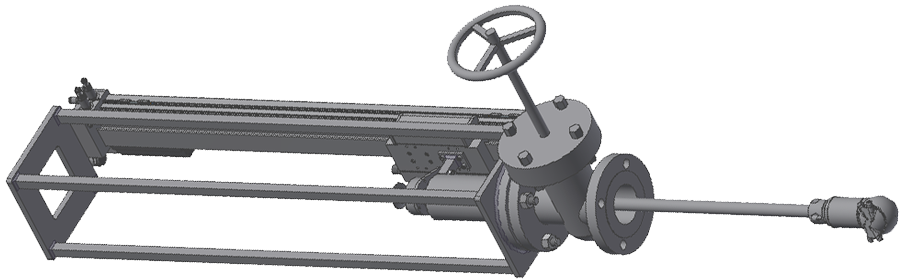
Symmetrical Tri-Clamp Lance with HydroWhirl® Orbitor 100 tank cleaning machine

Optimize Nozzle Placement & Improve Tank Washing Efficiency With Tank Cleaning Lances

Our tank cleaning lances are a custom-engineered solution for optimal nozzle placement inside a tank. We design and fabricate all lances at our facility to ensure close coordination throughout every manufacturing phase.

BETE offers extensive design and fabrication capabilities, including both symmetrical and asymmetrical configurations. We can incorporate retractable features for Clean-In-Place (CIP) or Clean-Out-of-Place (COP) applications. Assemblies are fabricated by certified welders in accordance with ASME B31.3 Process Piping Code and other applicable ASME codes and standards, using a wide range of materials.

Equipment & Tank Cleaning Brochure
Download PDF
Tank Cleaning Spray Technology Line Card
Download PDF

Retractable Tank Cleaning Lances

Retractable lances allow you to withdraw your nozzle and isolate it from the process so that it does not come in contact with the product. Nozzle maintenance is easy with retractable lance because it can be entirely removed for servicing without taking your process offline. Once you have serviced, cleaned, or inspected the nozzle – reattach it to the lance.
Image

Considerations For Using Tank Cleaning Lances
Several factors explain why a tank washing lance may improve your cleaning process. Our engineers can evaluate your new or existing process to recommend solutions for achieving optimal cleaning performance and reliability. Discover why you would use a tank cleaning lance using the slide arrows below.
Image
IDEAL NOZZLE PLACEMENT

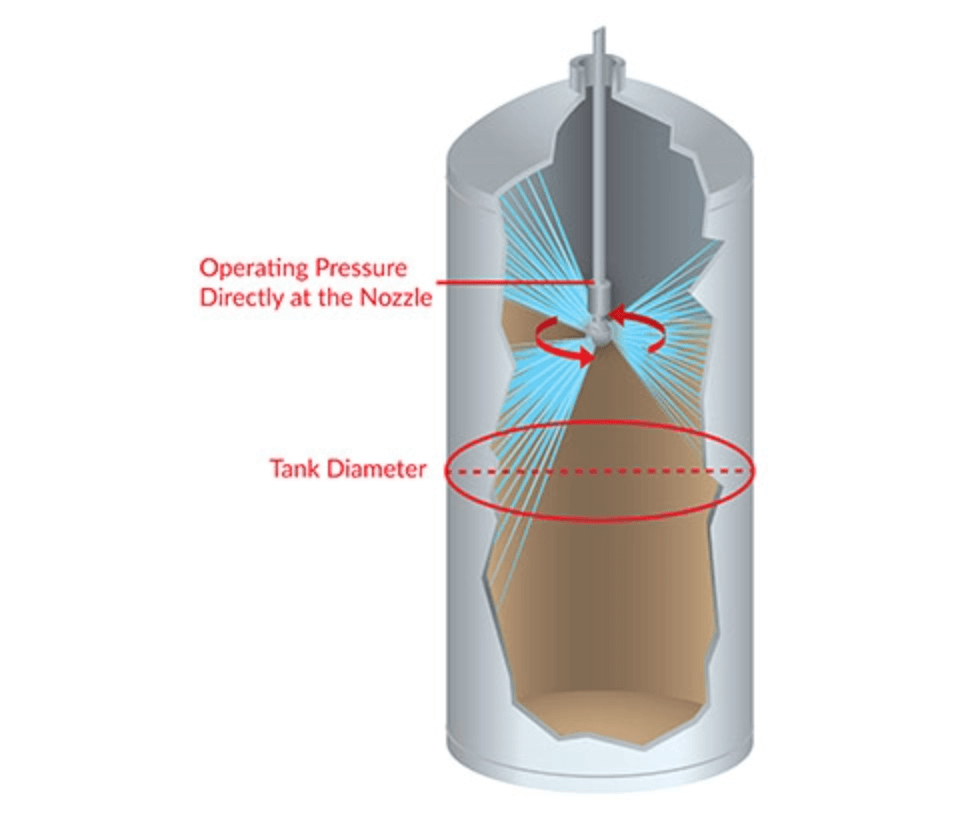
Tank cleaning nozzles should be positioned in the upper part of the tank when possible. Nozzles placed too close to the ceiling of the tank will cause the sprays to deflect off the curved tank ceiling, resulting in poor cleaning impact. Tank cleaning lances are an ideal solution for achieving optimal placement.

Maximize spray coverage by placing the nozzle about one-third of the way down from the top of the tank.
(H3) Nozzle = 1/3 Overall Tank Height (H)
Image
SPRAY SHADOWS

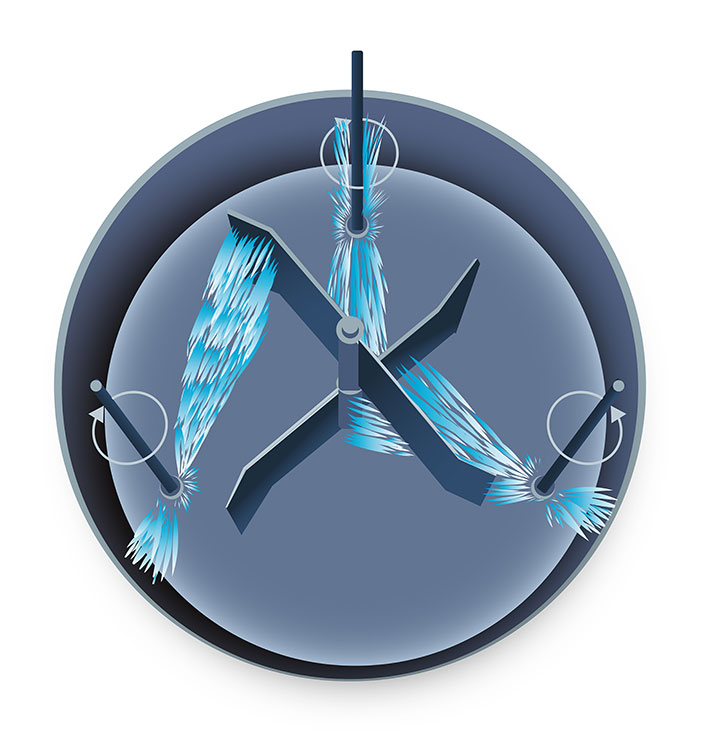
Agitators, baffles, and pipes prevent spray from reaching the areas behind them, known as spray shadowing.

In such cases, more than one nozzle should be installed inside the tank. The nozzles can be positioned correctly with a lance so that the sprays overlap, ensuring complete cleaning coverage.

Image
NOZZLE ISOLATION FROM PROCESS

Retractable tank cleaning lances are recommended when a nozzle cannot remain in the process. Prevent contamination and bacteria build-up by removing the nozzle with the retractable mechanism.

Installation and maintenance are easy with a retractable tank washing lance.

Case Studies

Image

Small Family Business Boosts Production 5x With New BETE Spraying System
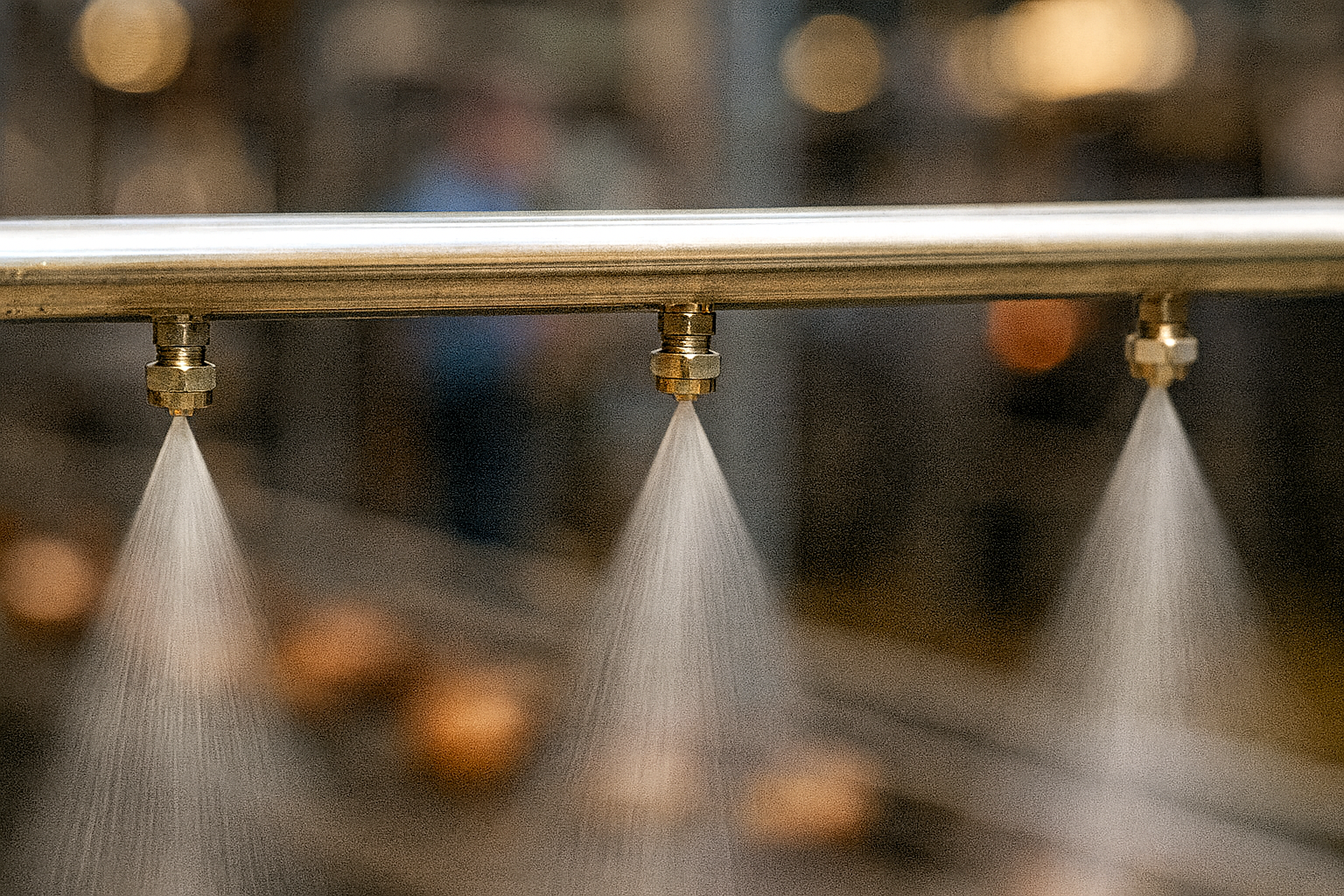
In chip production, coatings such as flavorings, seasonings, and oils are applied before the frying or baking process. Manual application can lead to inconsistent quality, ingredient waste, and process inefficiencies. Automating this step can significantly improve both output and consistency, yielding higher-quality products with less waste.
Read More
Image

From High Temps to High Quality: A Tire Manufacturer’s Success Story
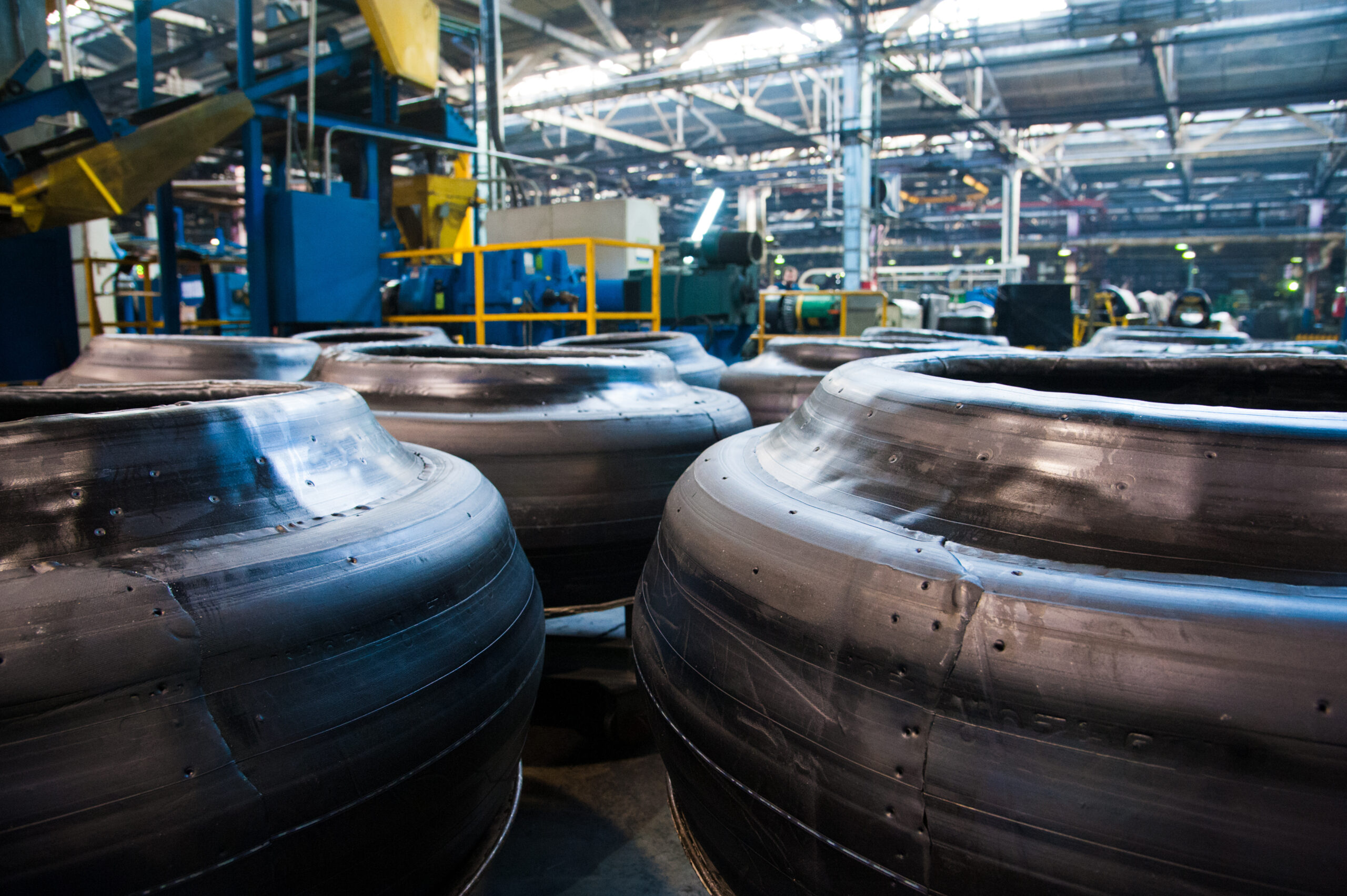
High temperatures in many industrial manufacturing processes can lead to poor product quality and reduced output due to process slowdowns. Whether you’re producing high-performance rubber tires or weather-resistant shingles, BETE offers effective, efficient cooling systems that preserve material integrity, lower operating costs, and keep production moving.
Read More
Image

BETE’s Modular Spray System Cuts Conveyor Cleaning Time & Saves Bakery Over Half a Million Dollars a Year

Cleaning and sanitizing conveyors is critical in food processing to ensure product quality and safety. Traditional manual cleaning methods are often time-consuming, costly, and can jeopardize worker safety. By automating processes and implementing a spraying system, processors can streamline Open Plant Cleaning (OPC), reduce labor, improve worker safety, and minimize downtime — ultimately increasing their bottom line.
Read More