




November 7, 2025

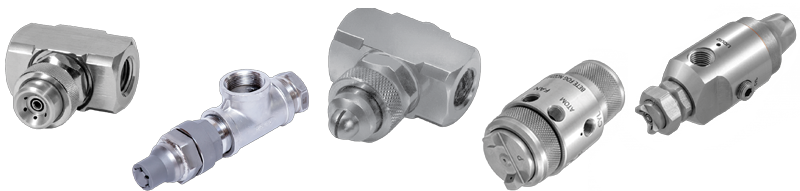
Air atomizing nozzles. Whether you are coating, humidifying, gas cooling, scrubbing, or conditioning, inefficiencies such as overspray and excessive compressed air consumption can lead to increased downtime and decreased profit, ultimately hindering your bottom line. At BETE, we understand these challenges and are here to help you address these inefficiencies in your spray operations, offering cost-effective solutions.
The Core Causes of Waste & Inefficiency in Spray Systems
For clarity, it is essential to identify the typical challenges that often cause inadequate spray performance.
Imprecise Spray Coverage
Overspray or uncontrolled dosing may cause reagents, coatings, or other spray media to fall short of the target or evaporate prematurely.
Disproportionate Droplet Size
Overly large, coarse droplets may result in poor surface coverage or puddling. Inversely, droplets that are too small may drift or evaporate.
Compressed Air Consumption, Recurrent Clogging, and Fouling
Inefficient spray nozzle design may increase unwanted downtime, as well as utility and maintenance expenses.
Even basic components of spray technology, such as spray coverage, droplet size, and nozzle design, can negatively affect your system’s overall performance if they are not adequately sized and adjusted for the application.
What Makes Air Atomizing Nozzles Beneficial for Spray Efficiency?
Choosing the correct spray technology from the selection of nozzles is a top priority. Air atomizing spray nozzles can help; still, how can you determine if they are the right solution for your specific application? Let’s explore a few key features to consider.
Fine, Uniform Droplet Size
Consistent droplet size not only notably reduces liquid consumption but also ensures more stable, reliable process results.
Lower Liquid Pressure Requirements
Since compressed air breaks down liquid into fine droplets for atomization, these fluids can generally be delivered at lower pressures, effectively minimizing overall energy usage and nozzle wear.
Differential Control With Internal vs. External Mixing
Operators can achieve fine, consistent atomization in two main ways – internal mixing or external mixing. With internal mixing, the liquid and compressed air combine inside the nozzle and exit through a single orifice, which allows for significant turndown ratios and finer atomization. In contrast, external mixing keeps the air and liquid separate until they exit the nozzle through separate orifices, where they combine externally. This method allows the air and liquid flow rates to be adjusted independently for more precise control over spray performance. It is important to note that internal mixing nozzles are not suitable for viscous liquids above approximately 200 cP, whereas external mixing designs can effectively handle liquids of nearly any viscosity.
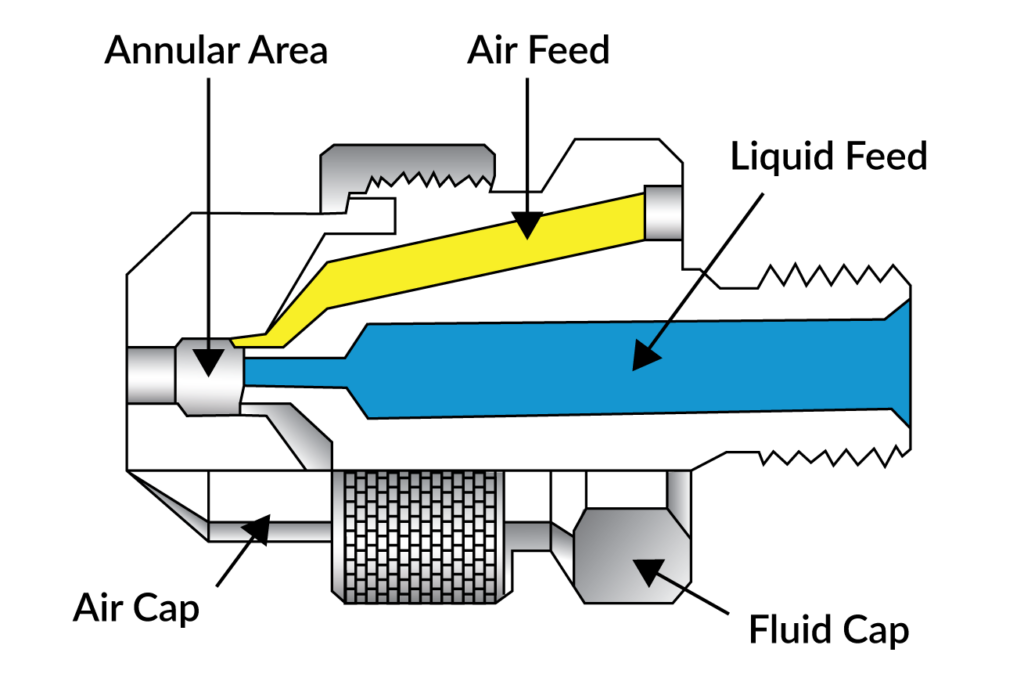
Internal Mixing

External Mixing
Reduced Compressed Air Consumption
Unlike conventional two-fluid atomization nozzles like the XA series or our SAM nozzles that are ideal for lower flow applications, our SpiralAir® (SA) nozzles are specifically engineered for higher flow rates while significantly reducing compressed air consumption.
Spray System Interchangeability
Our XA series has interchangeable components, including fluid caps and air caps, for simple, affordable spray pattern adjustments rather than costly redesigns or discarding entire assemblies.
Industries That Benefit the Most from Air Atomizing Spray Technology Include
Food Processing
Achieve uniform coating on products and proper humidification in storage and packaging areas.
Chemical Processing
Reduce temperature through evaporative gas cooling — a process in which finely atomized liquid sprays into hot process gases. Additionally, use chemical injection lances equipped with air atomizing nozzles to inject reactants, scavengers, inhibitors, or other chemicals directly into process streams.
Power Generation
Effectively cool combustion exhaust gas streams in scrubbers and mitigate the emissions released into the atmosphere.
Building Materials
Consistently apply coatings to a variety of products, including wood, cement, carpeting, flooring, and roofing materials.
Discover Valuable Resources for Air Atomizing Efficiency
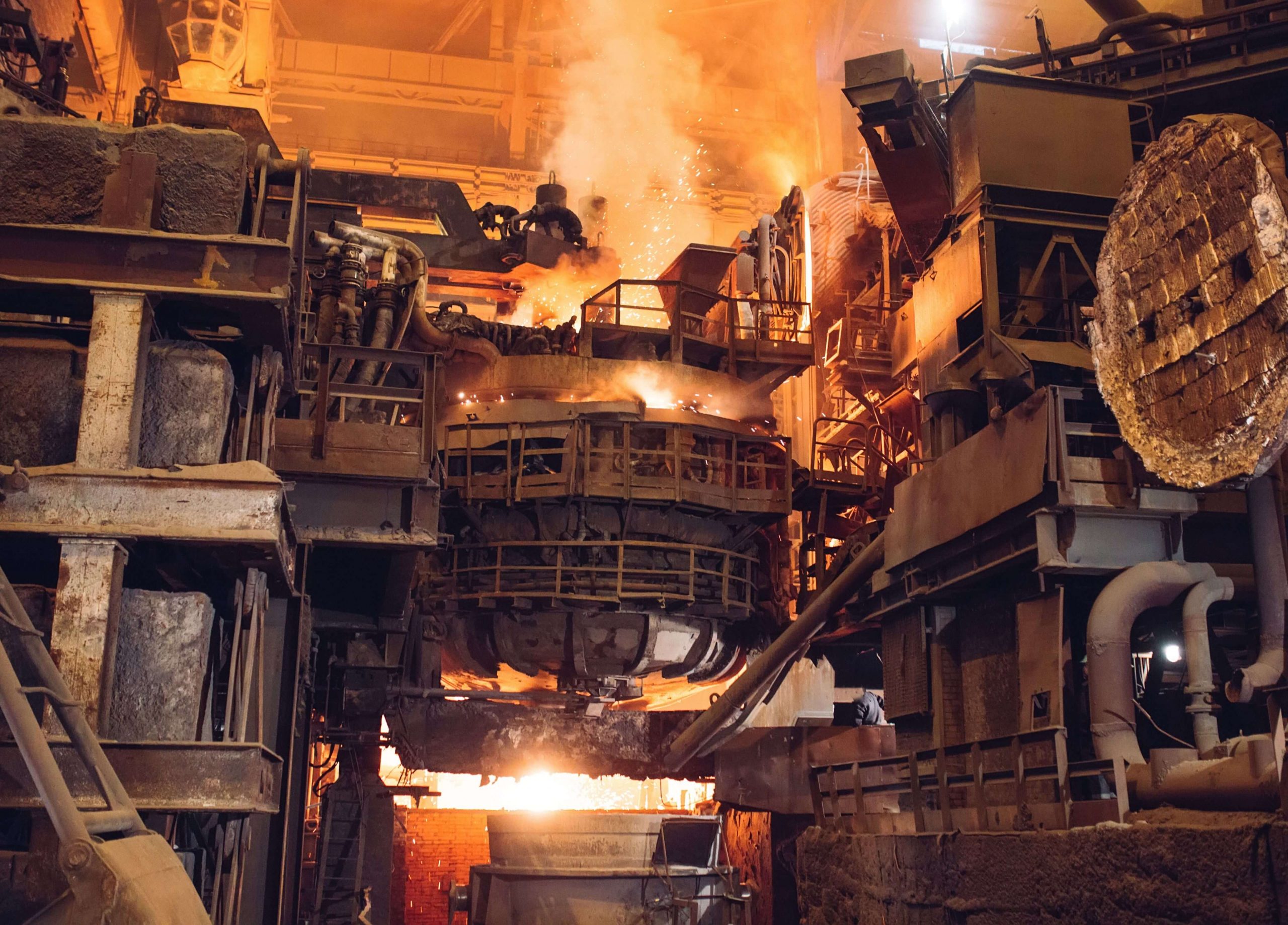
If you want to investigate air atomizing proficiency in depth, read this case study about how our BETE team of experts helped a prominent Steel Mill significantly improve compressed air savings for their flue gas cooling process with the aid of SpiralAir® SA high-flow nozzles.
Procedures Ideal for Promoting Spray Optimization
Although air atomizing nozzles possess evident advantages for high-volume, continuous processes where precision, consistency, and economic efficiency are essential, it is still vital to conserve the quality of your nozzles to maximize productivity. Bearing this in mind, here are some guidelines to help you streamline your operations:
Ensure Nozzle Types Suit the Application
Designs for internal mixing are ideal for low-viscosity fluids, whereas external mixing designs allow for precision liquid metering, which is especially useful for applications that utilize high-viscosity fluids.
Properly Size and Regulate Air and Liquid Supply Systems
Use clean, dry air and filtered liquid lines to maintain consistent spray performance and prevent clogging.
Optimize Fine-Tuning Operating Pressures
Rather than starting at high pressures, begin at lower air and liquid pressures and progressively increase while observing spray coverage and droplet size.
Frequently Clean and Maintain
Establish regular cleaning and inspection routines to prevent fouling and replace any worn components to sustain nozzle quality.
Consider Retrofit Potential
In many cases, your existing systems can be enhanced with air atomizing nozzles without unnecessary infrastructure or piping changes.
It’s also important to note that air atomizing equipment may not suit applications such as bulk washing or fire protection, which require abrasive, high-volume sprays and compressed air infrastructure.
As we have demonstrated, the benefits of this spray technology are game-changing. Yet, while all this certainly seems appealing, it also begs the question, “Just how effective are air atomizing nozzles in action?” Watch this video featuring one of our SpiralAir® (SA) nozzles.
Enhance Efficiency & Minimize Overspray in Your Operations With Air Atomizing Technology
You have now gained an enriched understanding of air atomizing spray nozzles and how they are a reliable solution for reducing waste, lowering operational costs, and improving process performance for precision-based applications.
BETE has decades of experience supporting customers in selecting the right spray technology for their process, optimizing operating conditions, and offering a wide range of sustainable spray solutions.
No matter the spraying challenge, our team is prepared to collaborate with you to ensure that you get the most out of your spray.
Air atomizing nozzles.Let's Connect Today
Ready to improve your process with BETE Spray Technology?Contact our spray experts to find the best nozzle for your application.