


PLANNING GUIDE FOR EFFECTIVE TANK CLEANING

There are several factors to consider for effective tank cleaning after selecting the correct cleaning nozzle. Tank size, pump capacity, and nozzle placement are just a few considerations that could affect your cleaning process. If one of these components is out of place, it could result in poor cleaning performance and wasted resources.

BETE's Planning Guide for Effective Tank Cleaning can help improve your cleaning process. Implementing these simple strategies will consume fewer resources, reducing waste to yield significant cost savings and increased productivity.

TECHNICAL SUPPORT

Tank Cleaning Guidelines

A

NOZZLE PLACEMENT

The nozzles should be positioned in the upper part of the tank when possible. However, nozzles placed too close to the ceiling of the tank will deflect off the curved tank ceiling, losing the cleaning impact.

Guideline for nozzle placement

(H/3) Nozzle = 1/3 Overall Tank Height (H)

Optimal nozzle placement in a tank diagram
D

TANK DIAMETER SIZE

Tanks come in various sizes and shapes. Selecting the right tank cleaning device depends not only on the type of soil being cleaned but the tank diameter size is equally important. BETE offers tank cleaning nozzles designed to clean tanks up. to 65 ft. in diameter.

Our Tank Cleaning Applications page can help narrow your tank cleaning nozzle search by selecting the correct tank diameter size.

B

PUMP CAPACITY & SIZE

The pipe size depends on the required flow rate and should be selected to ensure the pressure losses in the pipe system are as low as possible. The required static operating pressure must be directly available at the nozzle and match the pump power. Too much pressure loss in the pipe system may cause poor nozzle performance.
C

FILL LINE

Nozzles permanently mounted inside the tank should be positioned above the fill line. This prevents the nozzle from coming in contact with the product where bacteria build-up and cross-contamination can result. After the cleaning cycle, gears or ball bearings should be removed from the nozzle (if applicable) because bacteria can adhere to the crevices
E

Drain Hole Size

The tank drainage by gravity rate is selected to prevent the liquid level from rising during the cleaning process. Make sure the drain can handle whatever volume of fluid is put into the tank. In some cases, a recirculating pump may be advantageous if draining is a problem. The chart below indicates the capacity of fluid that the size of the drain hole can handle.

DRAIN HOLE SIZE (in) DRAIN HOLE SIZE (mm) CAPACITY (gal/min) CAPACITY (liter/min)
125623
1 ½381349
2512387
2 ½6435132
37650189
410287329
5127140530
6152204772
C

FILL LINE

Nozzles that are permanently mounted inside the tank should be positioned above the fill line. This prevents the nozzle from coming in contact with the product where bacteria build-up and cross-contamination can result. After the cleaning cycle, gears or ball bearings should be removed from the nozzle because bacteria can adhere to the crevices

SPRAY SHADOWS

Agitators, baffles, and pipes prevent spray from reaching the areas behind them, known as spray shadowing. In such cases, more than one nozzle should be installed inside the tank. The nozzles should be positioned for the sprays to overlap and ensure complete cleaning coverage.

Drain Hole Size Chart

PUMP CAPACITY & SIZE

The pipe size being used depends on the required flow rate and should be chosen so that the pressure losses in the pipe system are as low as possible. The required static operating pressure must be directly available at the nozzle and match the pump power. Pressure that is lost in the pipe system could be an indicator of poor nozzle performance.

TANK DIAMETER SIZE

Tanks come in various sizes and shapes. Selecting the right tank cleaning device not only depends on the type of soil being cleaned but the tank diameter size is very important. BETE offers tank cleaning nozzles designed to clean tanks up. to 65 ft. in diameter.

Our Tank Cleaning Applications page can help you narrow your tank cleaning nozzle search by selecting the correct tank diameter size.

Image

NOZZLE PLACEMENT

The nozzles must be positioned in the upper part of the tank where possible. Nozzles placed too close to the ceiling of the tank will deflect off the curved tank ceiling, and the cleaning impact is lost.

Guideline for nozzle placement

(H3) Nozzle = 1/3 Overall Tank Height (H)

FILL LINE

Nozzles that are permanently mounted inside the tank should be positioned above the fill line. This prevents the nozzle from coming in contact with the product where bacteria build-up and cross-contamination can result. After the cleaning cycle, gears or ball bearings should be removed from the nozzle because bacteria can adhere to the crevices
Image

SPRAY SHADOWS

Agitators, baffles, and pipes prevent the areas behind them from reaching the spray directly, which is known as spray shadowing. More than one nozzle should be installed inside the tank for this reason. The nozzles should be positioned for the sprays to overlap to ensure proper cleaning.
Image

DRAIN HOLE SIZE

The tank drainage by gravity rate is selected to prevent the liquid level from rising during the cleaning process. Make sure the drain can handle whatever volume of fluid is put into the tank. In some cases, a recirculating pump may be advantageous if draining is a problem. The chart below indicates the capacity of fluid that can be handled by the size of the drain hole.

BETE provides engineered solutions to clean horizontal tanks effectively

Image

Horizontal tanks are challenging to clean if the tank cleaning nozzle is installed vertically. In this case, the spray concentration remains at the tank's center and can't reach the bulkheads, resulting in product and bacteria build-up.  These areas will require manual cleaning, which may be hazardous for workers and increases downtime.

BETE provides a mounting bracket that positions the tank cleaning nozzle horizontally inside the tank, changing the direction of the spray so that it effectively cleans the bulkheads while reducing the cycle time by 50 percent. Because of their powerful solid jet streams, we recommend rotary jet tank cleaning machines for cleaning large horizontal tanks, rail cars, and tanker trucks.

Read Our Case Studies

View All
Image

Small Family Business Boosts Production 5x With New BETE Spraying System
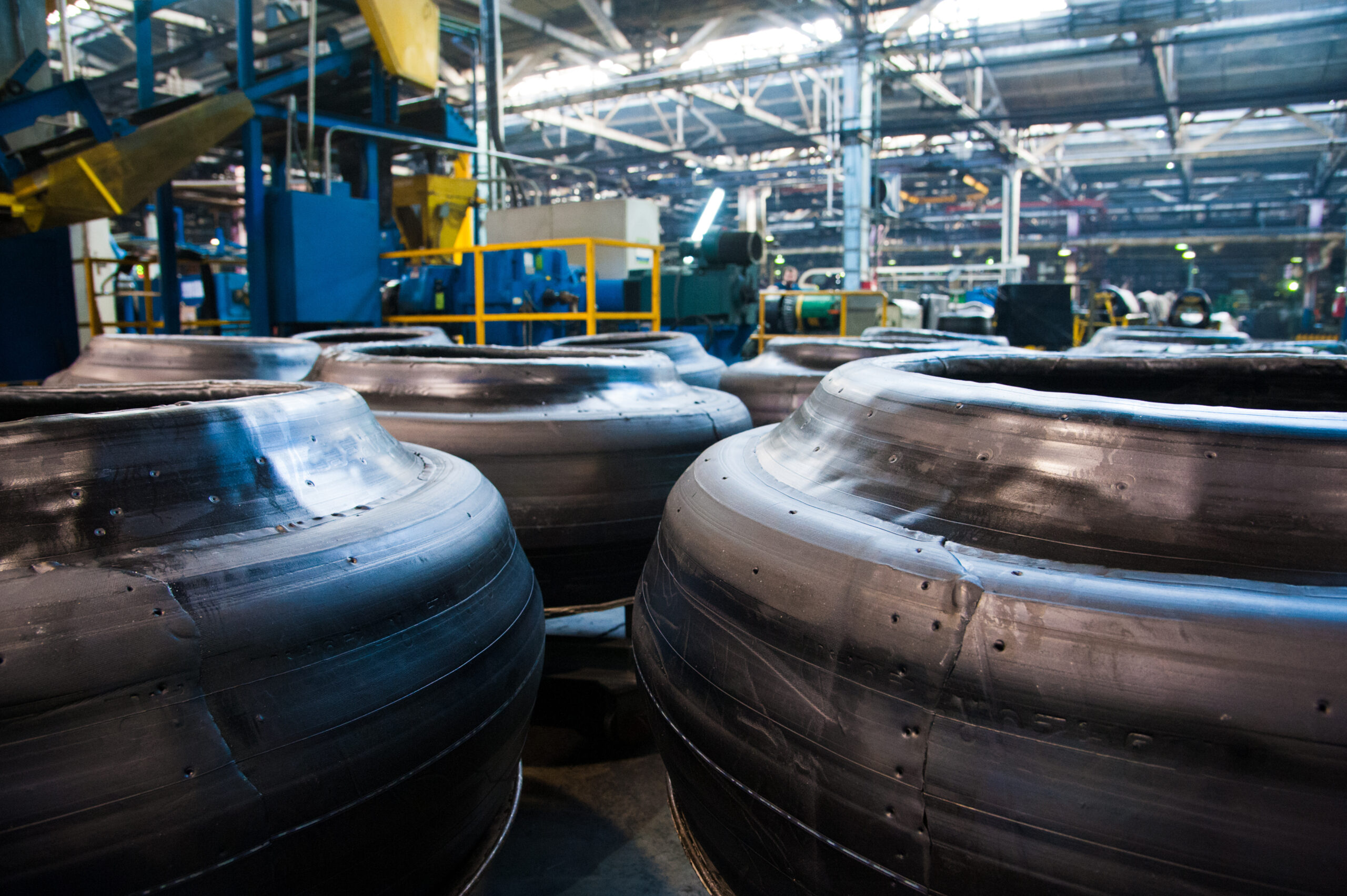
In chip production, coatings such as flavorings, seasonings, and oils are applied before the frying or baking process. Manual application can lead to inconsistent quality, ingredient waste, and process inefficiencies. Automating this step can significantly improve both output and consistency, yielding higher-quality products with less waste.
Read More
Image

From High Temps to High Quality: A Tire Manufacturer’s Success Story
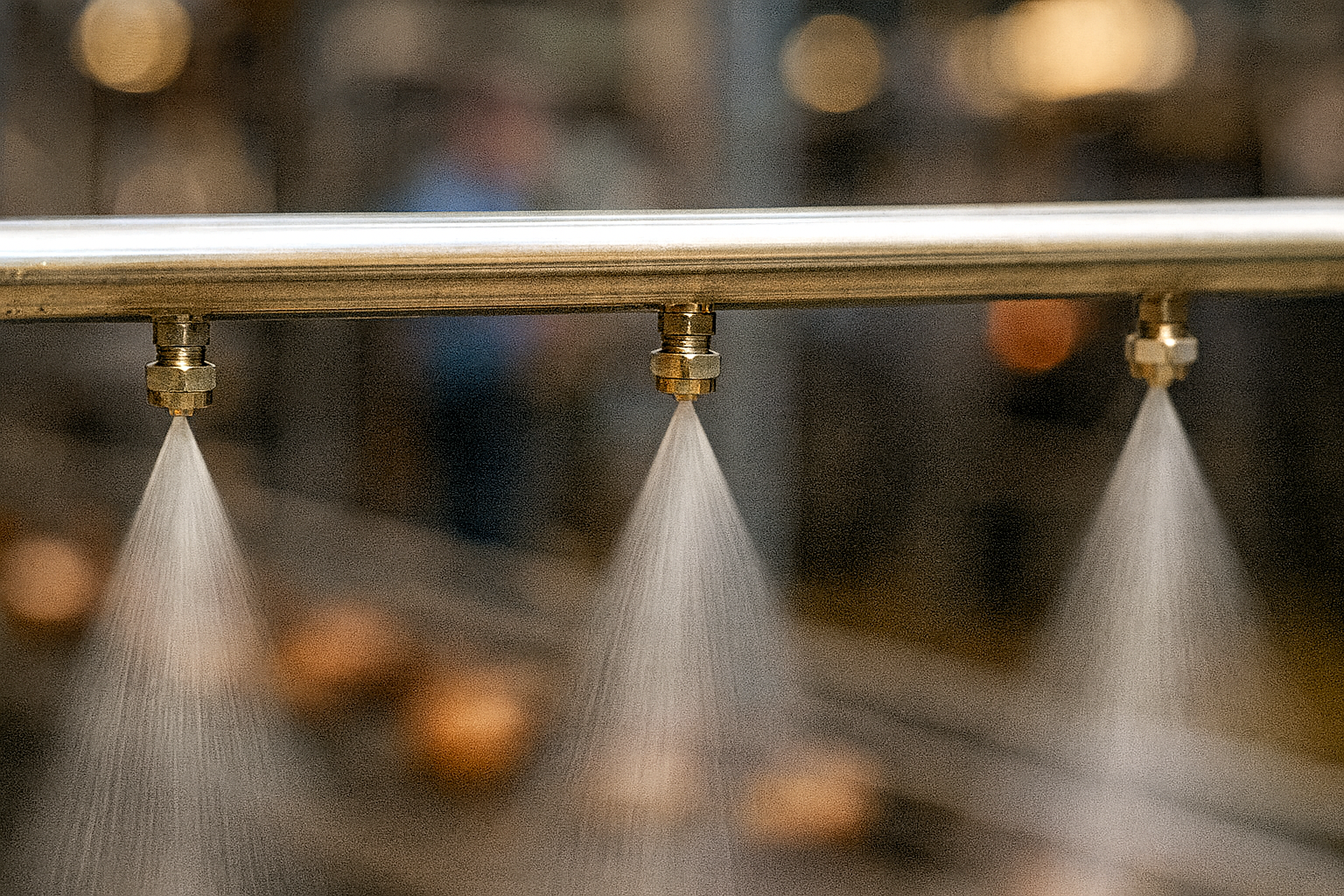
High temperatures in many industrial manufacturing processes can lead to poor product quality and reduced output due to process slowdowns. Whether you’re producing high-performance rubber tires or weather-resistant shingles, BETE offers effective, efficient cooling systems that preserve material integrity, lower operating costs, and keep production moving.
Read More
Image

BETE’s Modular Spray System Cuts Conveyor Cleaning Time & Saves Bakery Over Half a Million Dollars a Year

Cleaning and sanitizing conveyors is critical in food processing to ensure product quality and safety. Traditional manual cleaning methods are often time-consuming, costly, and can jeopardize worker safety. By automating processes and implementing a spraying system, processors can streamline Open Plant Cleaning (OPC), reduce labor, improve worker safety, and minimize downtime — ultimately increasing their bottom line.
Read More